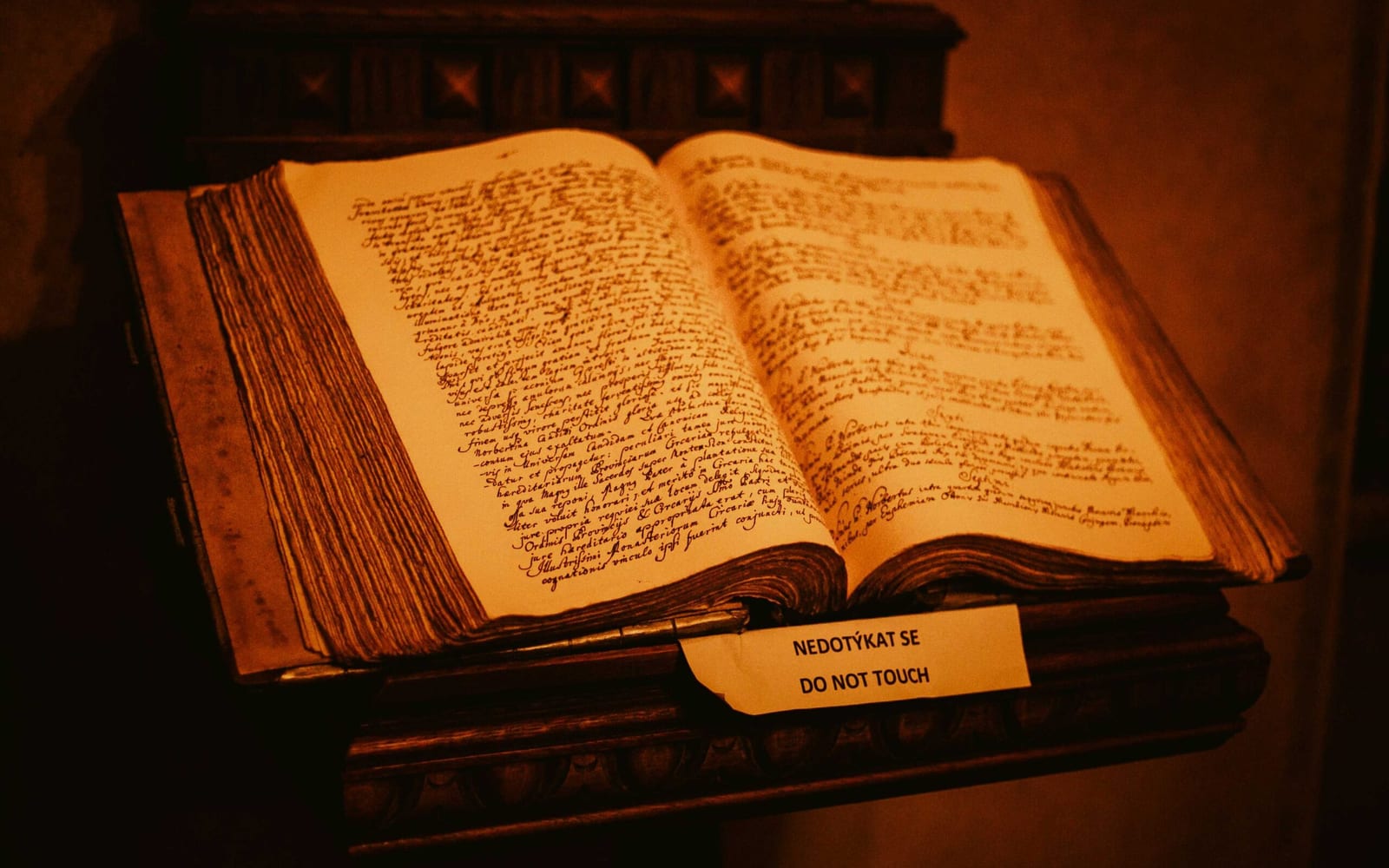
Many people first meet the Gospels in small pieces: a verse on a card, a passage read aloud at church, a story they half remember from childhood. Read that way, it is easy to forget what the Gospels actually are. They are four ancient accounts of the life, death and resurrection of Jesus, written to be read as records of real events. Reading them with a few historical questions in mind can make them clearer and harder to dismiss.
What kind of writing are they?
Scholars from many backgrounds broadly agree that the Gospels resemble ancient biographies, a recognized genre in the Greco-Roman world. Ancient biographies weren't modern, minute-by-minute histories. They focused on a person's teaching, character and death, and they arranged material by theme as well as by time. Knowing that helps explain why the Gospels spend so much space on Jesus' final week and why the order of some events differs between them.
Luke states his purpose directly at the start of his Gospel: to write an orderly account, based on eyewitness testimony, so that his reader can be certain of what they had been taught. That is the language of someone writing history, not legend. For more on the world they were written in, see placing the four Gospels in their historical setting.
When were they written?
Most scholars date the four Gospels to roughly the second half of the first century, within a few decades of Jesus' death around AD 30–33. Mark is usually placed earliest, then Matthew and Luke, then John. Some scholars argue for earlier dates and others for later ones, but even the common range puts the writing within the lifetime of people who had known Jesus or his first followers.
For comparison, the main surviving biographies of Alexander the Great were written centuries after his death, and historians still use them. By ancient standards, the Gospels are close to the events they describe. There is more on this in the historical evidence behind the Christian faith.
From spoken testimony to written text
Before the Gospels were written, the stories and teachings of Jesus circulated by word of mouth. In a culture where few people owned books, careful oral teaching was the normal way to pass on important material, and early Christian communities treated the testimony of eyewitnesses, especially the apostles, as authoritative. Paul's letters, which are earlier than the Gospels, already quote a summary of the resurrection testimony that he says he received and passed on (1 Corinthians 15:3–8).
Why four, and why do they differ?
If you read the Gospels side by side, you will notice differences: details included in one and not another, sayings worded differently, events told from different angles. Some readers see that as a problem. Historians usually see it as a sign of independent testimony. Four witnesses who agreed on every word would look rehearsed. Four who agree on the central events, while differing in detail and emphasis, look like separate people describing the same thing.
Each writer also had an audience in mind. Matthew often connects Jesus to the Hebrew Scriptures. Mark moves fast and focuses on action. Luke pays attention to outsiders, women and the poor. John is more reflective, focusing on who Jesus is. Reading with those emphases in mind makes the differences easier to understand.
Questions to bring to your reading
- Who is speaking, and who is listening? A parable told to religious leaders lands differently than one told to disciples.
- What happened just before this passage? Context often explains a hard saying.
- How do the other Gospels tell this story? A harmony or parallel-column Bible makes comparison easy.
- What did this mean to its first readers? Background on first-century Judaism and Roman rule adds a lot.
Read them whole
The best way to read the Gospels as history is also the simplest: read one from start to finish, in one or two sittings, the way its first audience would have heard it. Mark takes about two hours. You'll see the story's shape, its turning points and its claims in a way that verse-by-verse reading can hide. Then read another. The questions that come up along the way are worth taking seriously. Working through them is how faith grows deeper roots. Regular reading is also a discipline in its own right; here is how Bible study shapes a disciplined mindset, and why it matters to keep defending the faith in a skeptical age.
About the author: Parker Ahlquist is a Canfield, Ohio student-athlete who studies theology and apologetics.